Reliable Crawlspace Encapsulation to Prevent Moisture Damage
Encapsulation helps control moisture, reduces energy costs, and improves indoor air quality. It also prevents pest entry and protects the structural integrity of the home.
Unsealed crawlspaces can lead to increased humidity, mold growth, wood rot, and higher utility bills. They can also contribute to poor indoor air quality and pest problems.
High-quality vapor barriers, insulation, and sealing tapes are used to create a durable and effective barrier against moisture and air leaks.
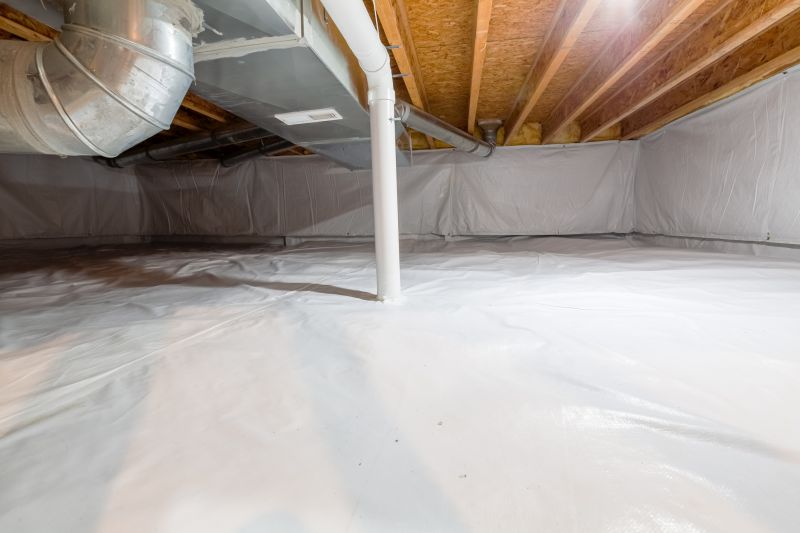
A fully sealed and insulated crawlspace showcasing the effectiveness of professional encapsulation.
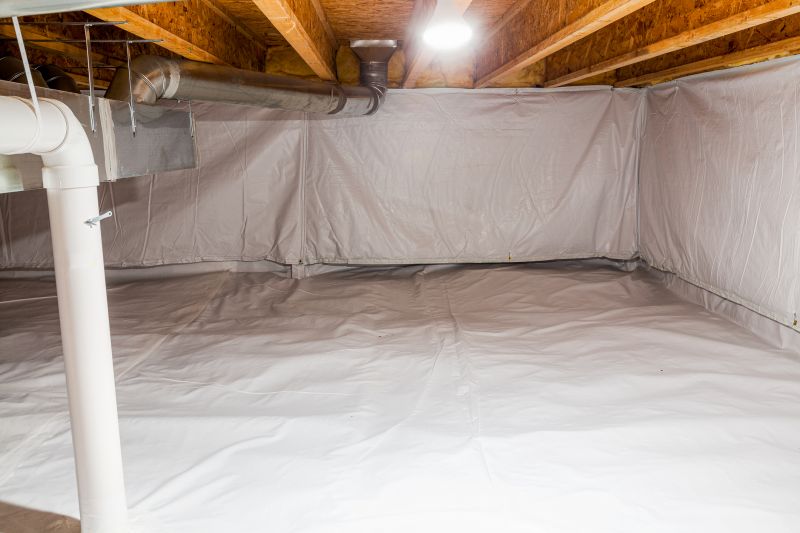
An example of a crawlspace prior to encapsulation, highlighting areas vulnerable to moisture and pests.
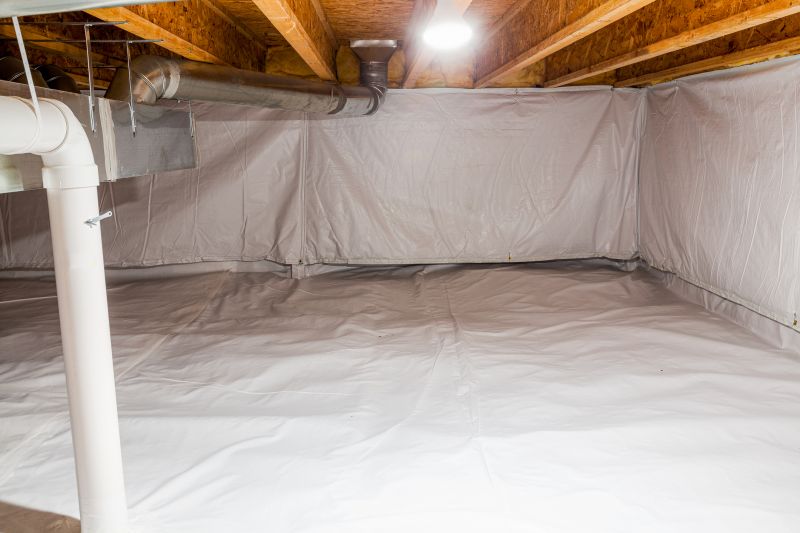
A completed encapsulation featuring a durable vapor barrier installed across the entire crawlspace floor.
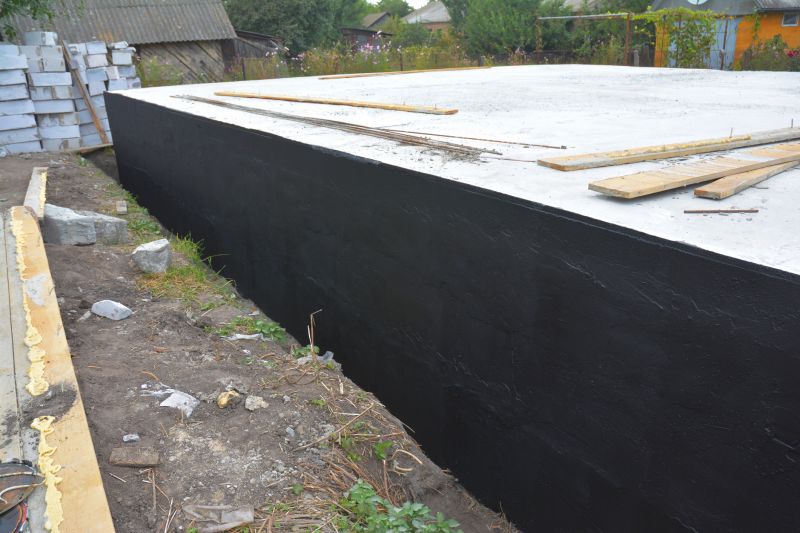
Insulation installed within the encapsulated crawlspace to improve energy efficiency and temperature regulation.
Statistics indicate that properly encapsulated crawlspaces can reduce energy costs by up to 15 percent and decrease moisture levels significantly, leading to a healthier home environment. Failing to address crawlspace issues can result in mold growth that may cause respiratory problems and structural damage over time. Encapsulation offers a proactive approach to maintaining a safe and comfortable living space in North Little Rock.
| Benefit or Risk | Impact |
|---|---|
| Moisture Control | Reduces mold growth and wood rot, protecting home structure. |
| Energy Efficiency | Lower heating and cooling costs through improved insulation. |
| Indoor Air Quality | Minimizes airborne mold spores and allergens. |
| Pest Prevention | Blocks entry points for pests and rodents. |
| Structural Integrity | Prevents damage caused by moisture and pests. |
| Health Risks | Unsealed crawlspaces can contribute to respiratory issues. |
| Maintenance Costs | Encapsulation reduces long-term repair expenses. |
| Home Value | Encapsulated crawlspaces can increase property appeal. |